COMPUTATIONAL R&D FOR CHEMICAL ENGINEERING, MATERIALS & SUSTAINABLE TECHNOLOGIES
Engineering the Future of Chemistry.
ChemNexum is the point of connection between chemistry, engineering, data, simulation and emerging technologies. It helps R&D teams explore and prioritize promising materials, formulations and processes before committing to expensive physical experimentation.
01Scientific computation
02Material screening
03Formulation optimization
04Experimental learning
THE CHEMNEXUM CONNECTION
One connected engineering continuum.
Chem refers to chemistry and chemical engineering. Nexum evokes a nexus: the node where disciplines, evidence and decisions meet—and where the next generation of industrial research takes shape.
01Chemistry
02Materials
03Formulations
04Processes
05Engineering
06Sustainable Technologies
LIVE COMPUTATIONAL EXAMPLE
COMPUTATIONAL FORMULATION STUDY
Bio-Based Rigid Packaging Tray
ChemNexum identified a set of computationally promising candidates under the selected objectives and constraints. These candidates should be treated as priorities for experimental validation.
Explore the live resultsR&D IS AN EXPLORATION PROBLEM
Too many possibilities. Too few experiments.
Materials development often involves an enormous design space: compositions, additives, processing conditions, costs, performance targets and sustainability constraints. Traditional trial-and-error cannot efficiently explore every combination. ChemNexum helps researchers computationally narrow that space.
Explore
Generate and screen candidate materials, formulations and technology configurations.
Predict
Estimate relevant properties using appropriate computational and data-driven models.
Prioritize
Identify the candidates that deserve laboratory validation.
ONE COMPUTATIONAL R&D ENVIRONMENT
From research objective to validation candidate.
01
Define
Translate performance, sustainability and economic requirements into structured research objectives.
02
Model
Connect scientific models, materials data and prediction engines.
03
Explore
Generate candidate formulations, materials or operating conditions.
04
Optimize
Balance competing objectives and constraints.
05
Validate
Select the most promising candidates for physical testing.
06
Learn
Compare predictions with experimental results and build structured research knowledge.
FLAGSHIP APPLICATION
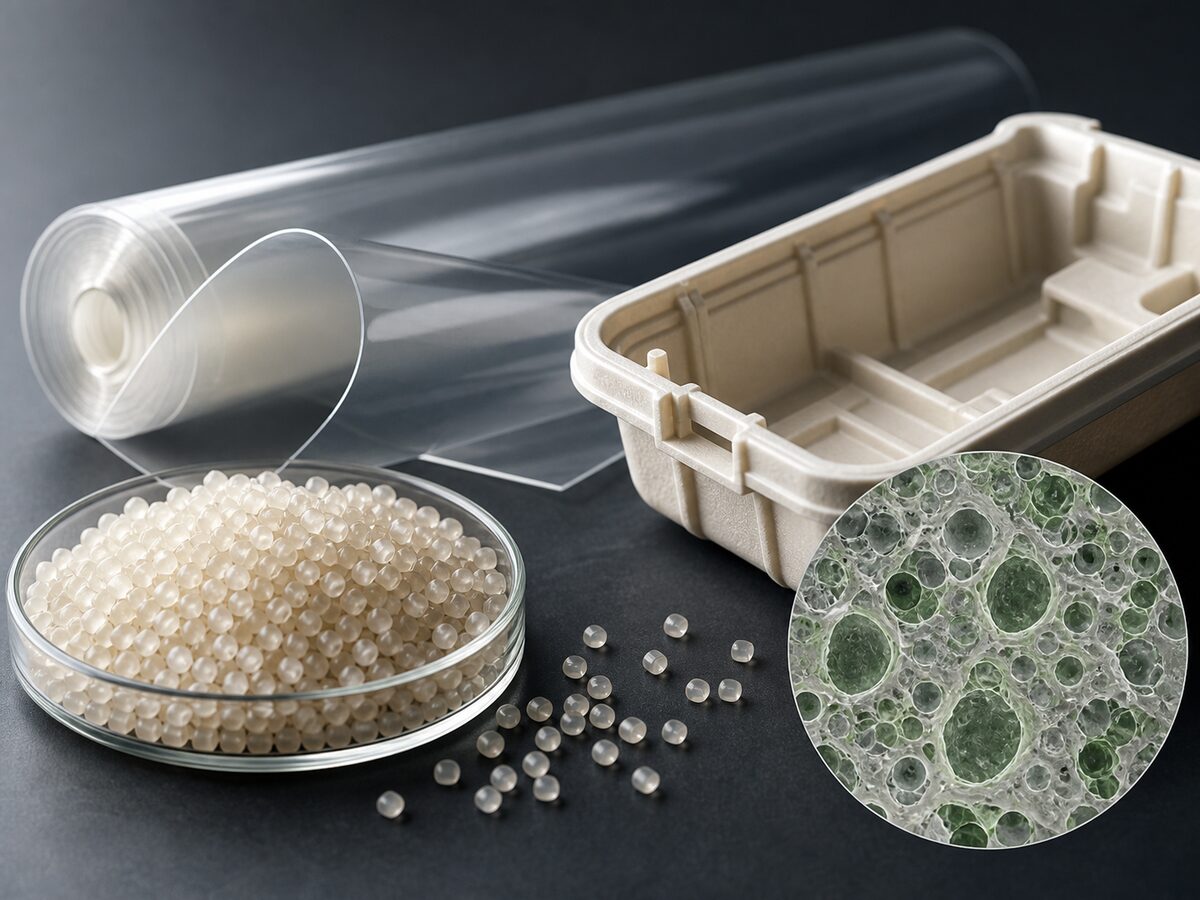
Computational formulation for next-generation bioplastics.
Explore polymer blends, bio-based components, additives, fillers and processing constraints while balancing mechanical performance, thermal behavior, sustainability and cost.
- Composition-space exploration
- Property prediction
- Multi-objective optimization
- Bio-based content targets
- Cost constraints
- Candidate ranking
- Laboratory validation workflows
BEYOND A SINGLE MATERIAL CLASS
A platform built for sustainable materials innovation.
ChemNexum is designed as a modular scientific platform. New computational workflows can be introduced for different material classes, formulation problems and industrial requirements.
Polymers & Biopolymers
Composites
Coatings & Adhesives
Circular Materials
Functional Materials
Custom Formulations
COMPUTATION BEFORE EXPERIMENTATION
Explore more chemistry before running more experiments.
Computational methods can help researchers evaluate chemical spaces, compare alternatives and identify promising directions before laboratory resources are committed.
Molecular descriptorsPlanned
Chemical-space explorationPlanned
Compatibility analysisPlanned
Property modellingBeta
Candidate screeningBeta
Research prioritizationBeta
SUSTAINABLE TECHNOLOGIES
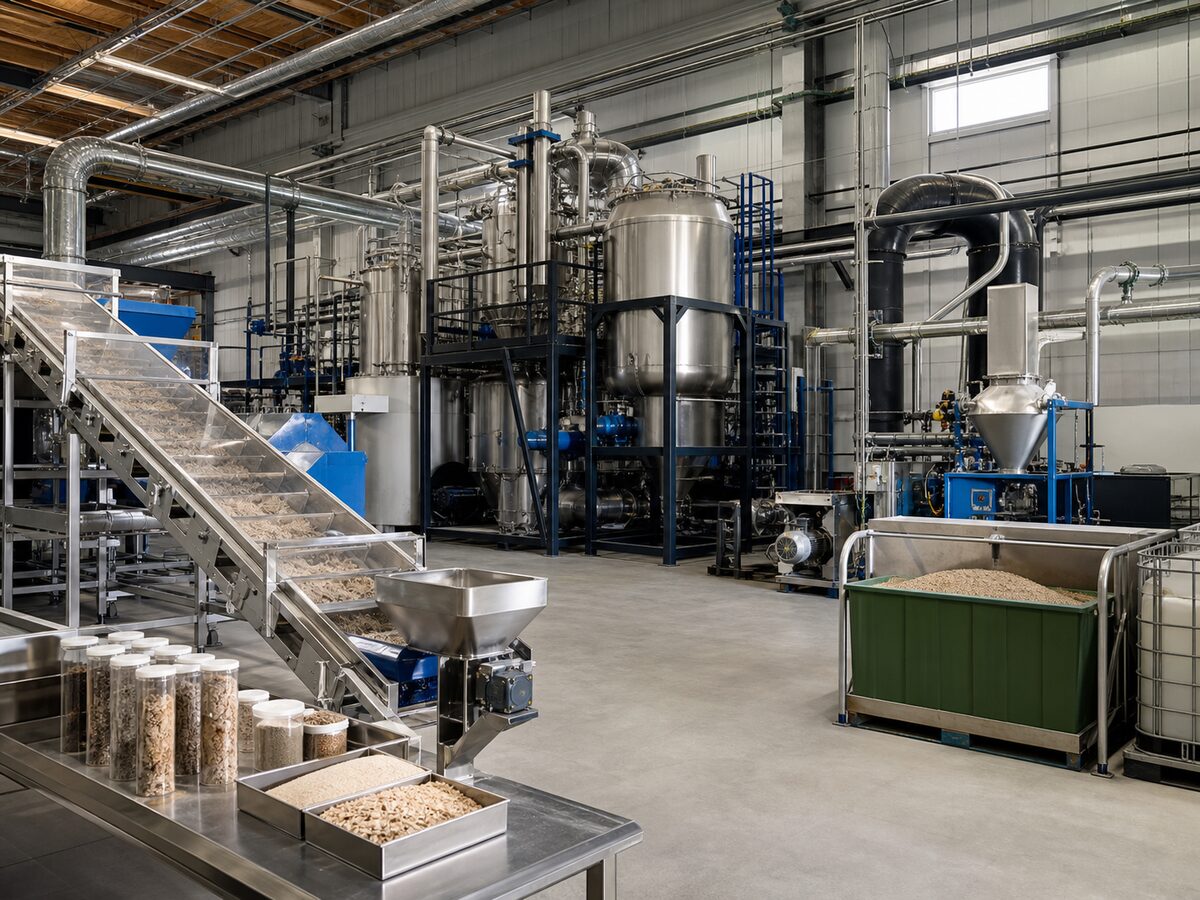
A computational foundation for cleaner industrial innovation.
The same research architecture can support the development and evaluation of emerging sustainable technologies where multiple technical, economic and environmental variables must be considered simultaneously.
Circular processes
Explore alternatives for material recovery, reuse and circular production.
Bio-based technologies
Evaluate material and process options based on renewable feedstocks.
Carbon utilization
Model and compare technology pathways where reliable scientific models and data are available.
Clean process engineering
Explore operating conditions, resources and performance trade-offs.
Next-generation materials
Identify candidate materials for emerging sustainable industrial applications.
BUILT FOR TRACEABLE RESEARCH
A prediction is not an experiment.
ChemNexum is designed to preserve the distinction between measured data, imported references, calculated properties, simulations and machine-learning predictions.
Provenance
Know where every important value came from.
Uncertainty
Display confidence and limitations instead of hiding them.
Reproducibility
Record methods, parameters and model versions.
Validation
Compare computational predictions with real experimental results.
Bring your data. Use computation. Build institutional knowledge.
Research data should not disappear inside disconnected spreadsheets, laboratory reports and isolated simulations. ChemNexum organizes projects, materials, datasets, calculations, candidates and experiments into a structured computational research environment.
- 01Data
- 02Models
- 03Simulations
- 04Candidates
- 05Experiments
- 06Knowledge
Scientific tools for researchers — not a replacement for researchers.
Intelligent research workers help structure questions, prepare computational studies and interpret results, while numerical engines perform the underlying calculations and researchers retain control of decisions and validation.
Discover the PlatformINSIGHTS / RESEARCH NOTES
Ideas for more structured materials R&D.
Technical perspectives, scientific boundaries and the story behind our live computational work.

Why computational screening changes the first question in materials R&D
The most useful starting point is often not “Which formulation should we test?”, but “Which part of the design space deserves laboratory time?”
Read article
From scattered results to traceable R&D knowledge
A result becomes reusable knowledge only when its source, context, assumptions and version remain attached to it.
Read article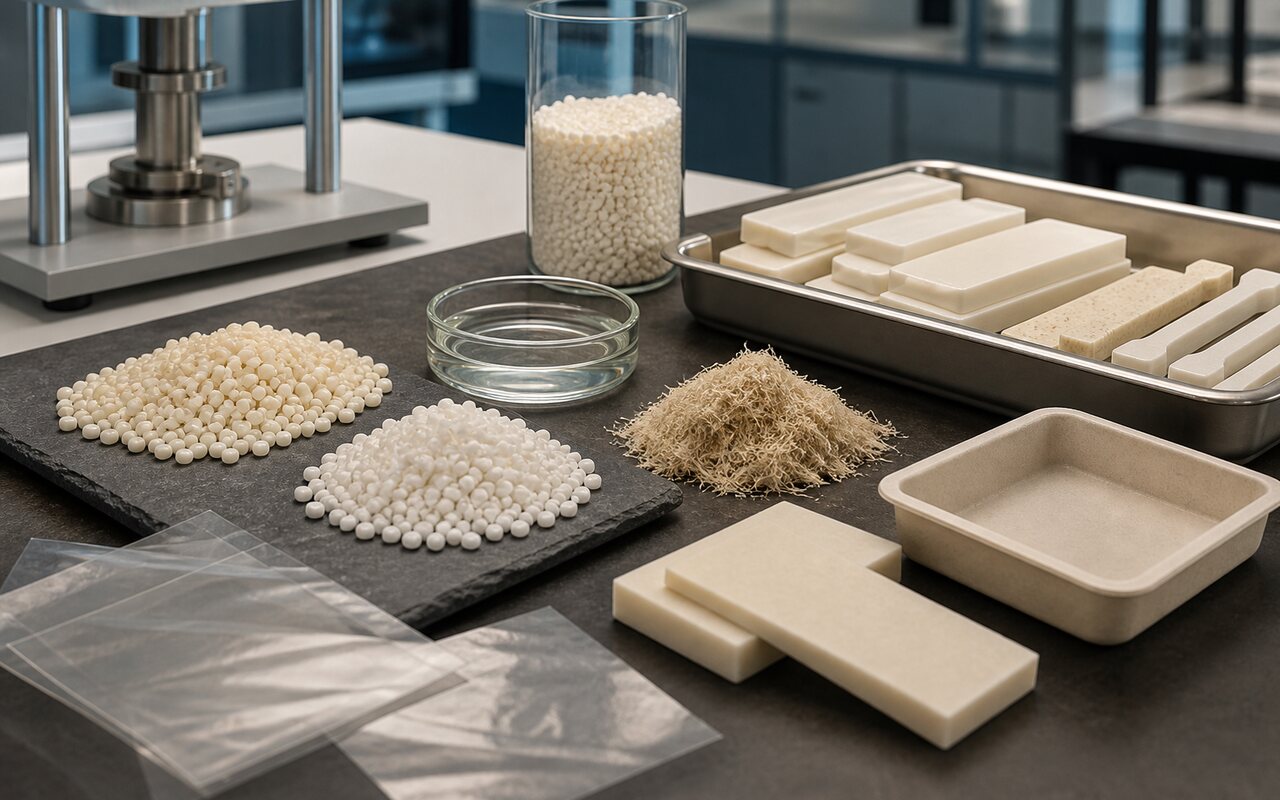
Bioplastic formulation is a trade-off problem, not a single-score race
Bio-based content, stiffness, density, process compatibility and cost rarely improve together. Good R&D makes those compromises visible.
Read article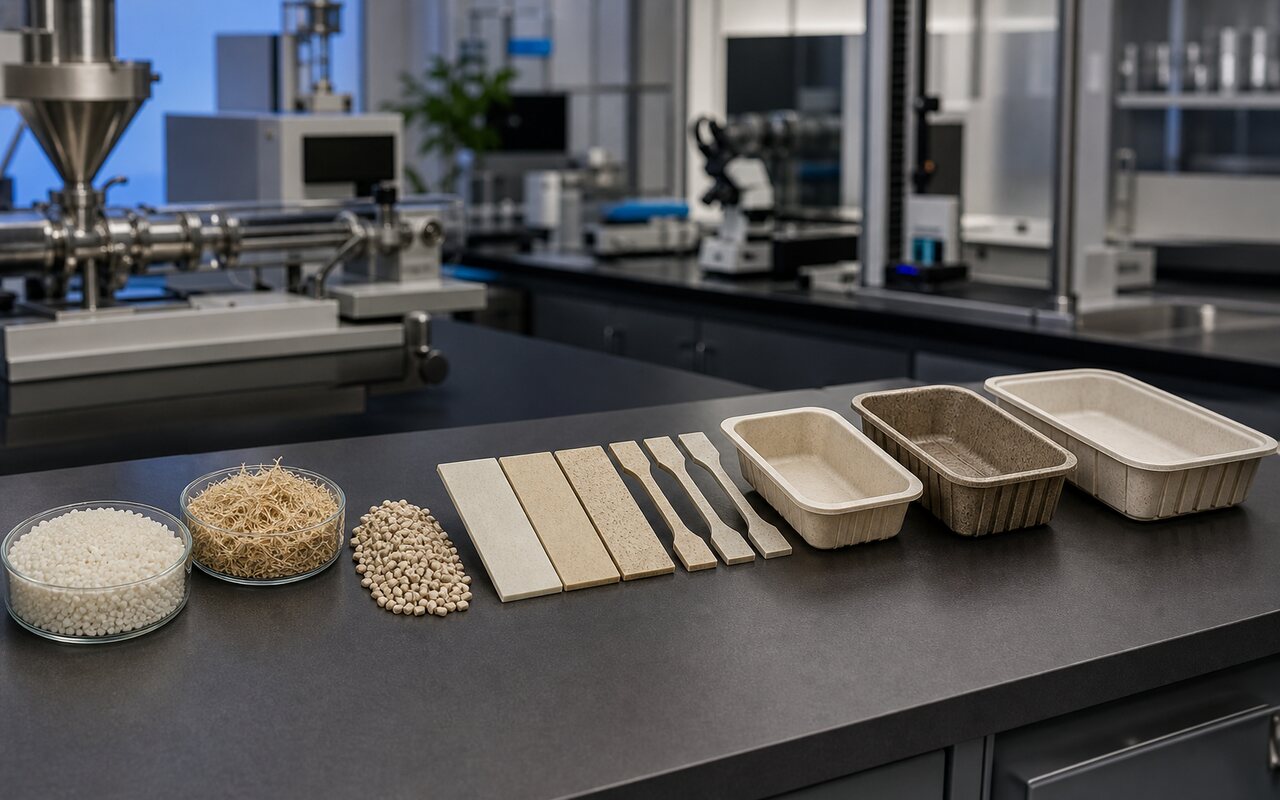
Inside the rigid-tray study: from an open question to three laboratory priorities
The story of ChemNexum’s first public computational benchmark, including the candidates it could evaluate and the evidence it deliberately refused to invent.
Read articleWhere ChemNexum can create value.
PackagingChemical IndustryMaterials ManufacturingResearch LaboratoriesIndustrial R&DClean TechnologyCircular EconomyAdvanced Manufacturing
BUILD THE NEXT MATERIAL. BEFORE YOU MAKE IT.
Turn a larger design space into a smaller experimental programme.
Talk to us about your material, formulation or sustainable technology challenge.
Developed by Itala Tecnologia Informatica S.r.l.